AGP Executive Report
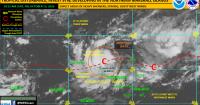
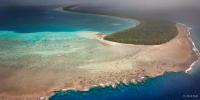
Last update: 3 hours agoAtoll Conservation: A new study finds 309 Indo-Pacific atolls contain more than 27,000 square kilometers of shallow coral reef habitat. Researchers say these connected reefs—vital to biodiversity, fisheries and island communities—need greater attention in conservation plans. Invasive Species: Pacific island eradication efforts are showing results, including the Marshall Islands’ release of a leaf-feeding insect to control invasive leucaena. Storm Watch: Invest 97W strengthened over the northern Marshall Islands, prompting a tropical cyclone formation alert. Forecasters expected further development, though its longer-range track remained uncertain. Ocean Protection: Pacific advocates are urging the Western and Central Pacific Fisheries Commission to require a shift to biodegradable fishing devices, which could reduce harm from lost or abandoned tuna-fishing gear. Climate Resilience: The Asian Development Bank’s new five-year Pacific strategy, covering the Marshall Islands and 11 other island countries, prioritizes climate-resilient infrastructure, essential services and stronger local capacity.
Note: AI summary from news headlines; neutral sources weighted more to help reduce bias in the result. Feedback is welcome. Please let us know if you have any comments or suggestions about the AGP Executive Report.
 Perspectify News